05:29
Reviews the numbers of animals used for scientific or educational purposes worldwide, and explores the main drivers of increasing use – greater use of genetically modified animals, and large-scale chemical testing programmes. Covers the most common species used, their sourcing, categories of use, and procedural invasiveness.
05:19
Summarises some major animal ethics theories, with a particular application to the killing and eating of animals. These include Peter Singer’s utilitarianism and Tom Regan’s theory of animal rights. In contrast, Rogen Scruton views pastoralist farming as a complex moral good, situated between the ‘evil’ extremes of intensive farming, and vegetarianism.
05:26
Summarises animal welfare concerns associated with the transport of animals by sea, air and land. The greatest concerns are associated with the sea transport of livestock from Australia. This is explored in some detail. Welfare problems include those caused by failure to eat during shipping, poor hygiene, crowding, disease, physical injuries, and heat stroke. Leading causes of death are summarised. Road transportation also provides a significant focus, and strategies for mitigating associated welfare problems are explored.
05:30
Summarises animal welfare concerns associated with commercial and recreational fishing, and fish farming. Topics include the ability of fish to feel pain, problems such as birth defects caused by genetic selection of farmed fish for rapid growth rates, barren and crowded fish farm environments, and stresses incurred during handling, transportation and slaughter. The slaughter of fish and crustaceans is also covered.
05:32
Summarises animal welfare concerns associated with the farming of sheep and goats, in both developed and developing world environments. These include lameness, mastitis (inflammation of the udder) and painful husbandry procedures such as castration, tail-docking and mulesing. Animal welfare assessment is also reviewed.
28:52
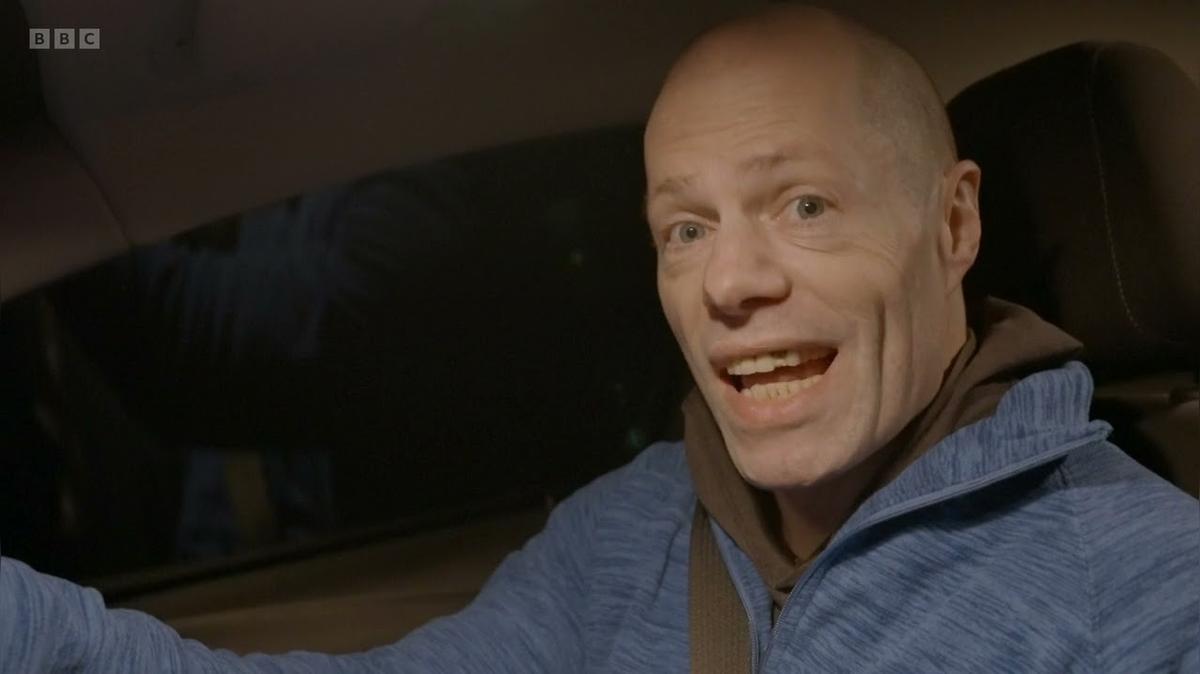
BBC1_Panorama, A Cow's Life The True Cost of Milk 14Feb22
Most of us drink cow’s milk, but are we paying enough for it? Panorama investigates the dairy industry to find out whether animal welfare is being compromised in the drive to keep milk prices low. The film features disturbing undercover footage of farmworkers abusing cows, while reporter Daniel Foggo speaks to farmers and vets about the lives most dairy herds can expect to lead.
Animal Equality investigator
Professor Andrew Knight: Centre for Animal Welfare, University of Winchester
Roger Blowey: vet/Director of Gloucester Vet C...
05:35
Summarises animal welfare concerns associated with the farming of dairy and beef cattle, and veal and bobby calves. These includes problems associated with genetic selection for very high milk productivity, and painful husbandry procedures.
05:35

Billions of pigs are slaughtered for food annually, and high concentration CO2 within controlled atmospheric stunning (CAS) systems is one of the most common methods used to stun pigs unconscious at the time of slaughter. However, a high concentration of CO2 is aversive, and creates severe animal welfare problems for pigs. Numerous alternative stunning methods have been proposed, including inert gases, electrical and mechanical methods, low atmospheric pressure stunning, and nitrogen foam. After reviewing studies of the animal welfare impacts associated with these methods, stunning using th...
01:39

Summarises the animal welfare problems experienced by sow confined within farrowing crates. Introduces my 2018 report 'Uncaging New Zealand's Sows: Scrutinising New Zealand’s Farrowing Crates': https://www.andrewknight.info/reports/sow-farrowing-crates-new-zealand/
05:34
Summarises animal welfare concerns associated with the farming of pigs. These include spatial and social restriction within barren environments, preventing the fulfilment of many natural behaviours pigs are highly motivated to perform, such as nest building. Painful husbandry procedures without adequate painkillers are another important welfare concern.
01:49:50
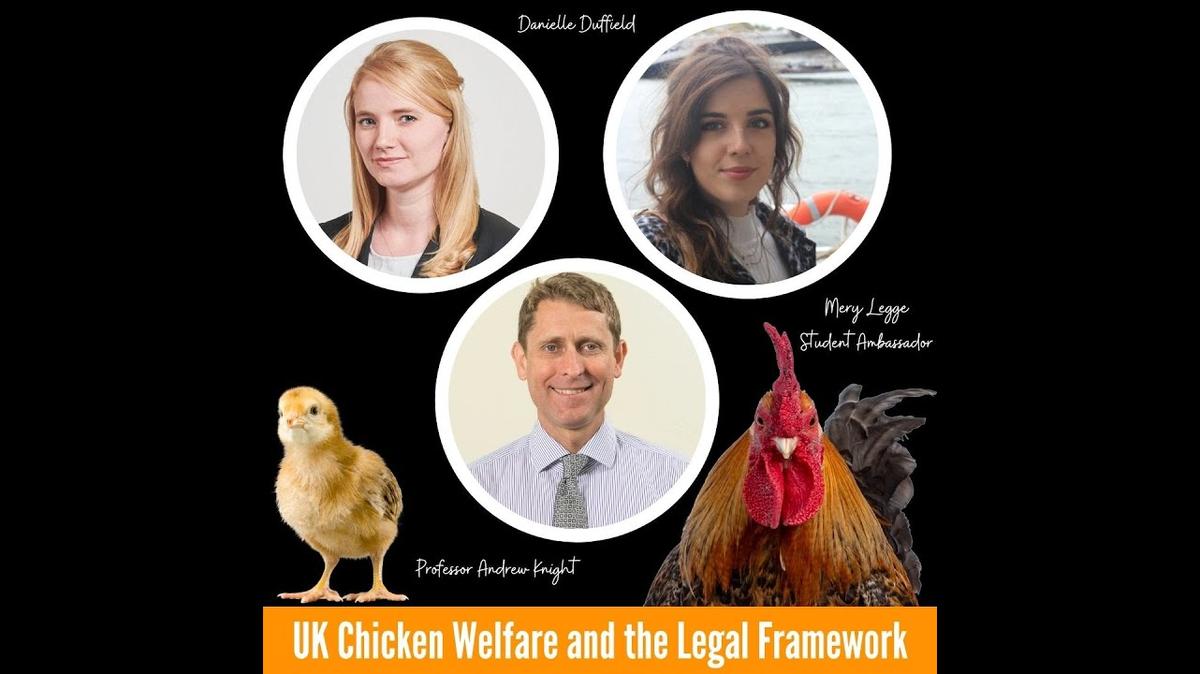
Our A-Law Edinburgh Student Chapter held an event on May 24th, titled 'UK Chicken Welfare: What should we know? What do we need to consider?' The event featured speakers Professor Andrew Knight and Danielle Duffield, discussing chicken welfare and the current legal framework governing their protection.
04:35
Chickens may be the third most common pet in many countries; however, little is known about their welfare status or the human–chicken relationship. Hence, using 2000+ questionnaire responses, this study collected the most comprehensive and holistic dataset to date on owners’ care-taking practices, owners’ attitudes towards chickens, the human–chicken relationship, and challenges regarding chicken welfare. This study and its results should help numerous stakeholders in chicken welfare, including vets, owners themselves, and rehoming charities. Full study: Mace, J.L.; Knight, A. From the back...