26:13

In 2025, undercover footage emerged from inside UK animal toxicity testing laboratories, exposing the legal, routine suffering endured by dogs, primates, pigs, rabbits, and rats.
In this detailed briefing, Prof. Andrew Knight, Veterinary Professor and accredited specialist in animal welfare, watches the footage and breaks down the hard scientific evidence against animal testing.
Watch the footage & share the campaign: https://www.animalaid.org.uk/campaigns/licensed-cruelty/
CHAPTERS
00:00 Introduction
00:20 Reaction to the undercover laboratory footage filmed in 2025
07:00 Are ani...
02:52

Excerpted from MDPI’s Journal Cluster of Animal Science Webinar: Emerging Challenges and Priorities in Animal Welfare, 31 Aug. 2026. https://sciforum.net/event/Cluster-15.
49:33

Reviews harmful educational animal use in life/health sciences (esp. veterinary education), and alternatives, along with the presenter's personal story as a veterinary student conscientiously objecting to harmful animal use.
17:38

Dr Andrew Knight looks at the "necessity" of animal use in medical research.
04:23
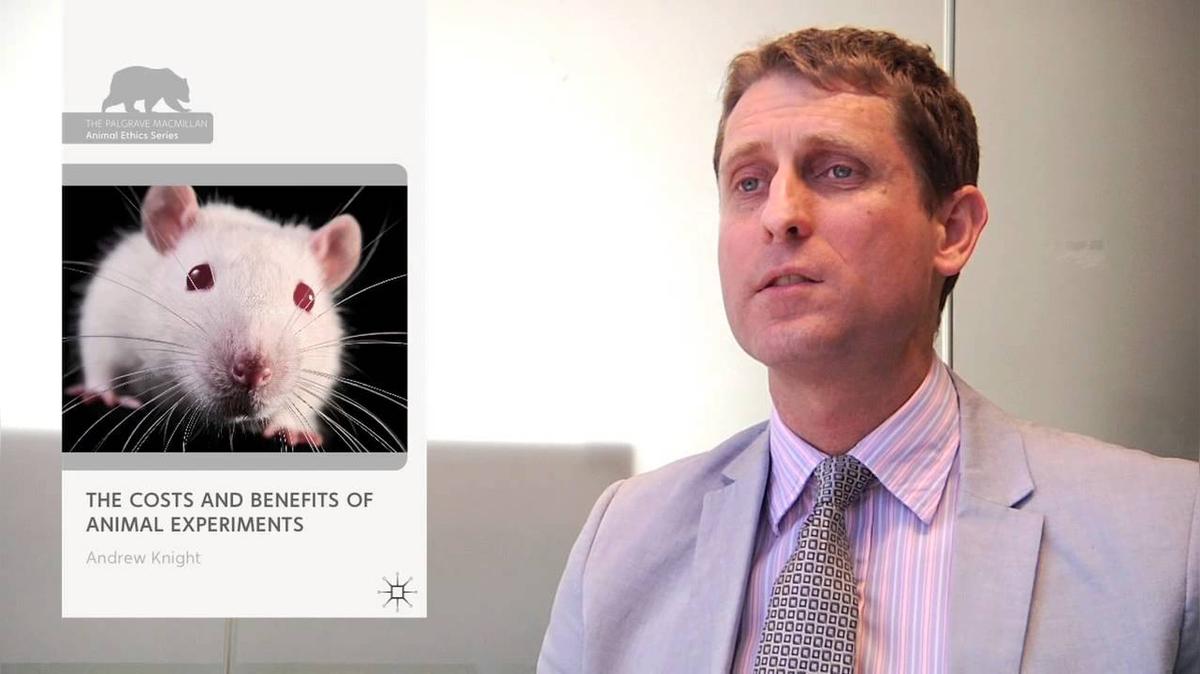
Can medical progress continue without the use of animals?
04:11
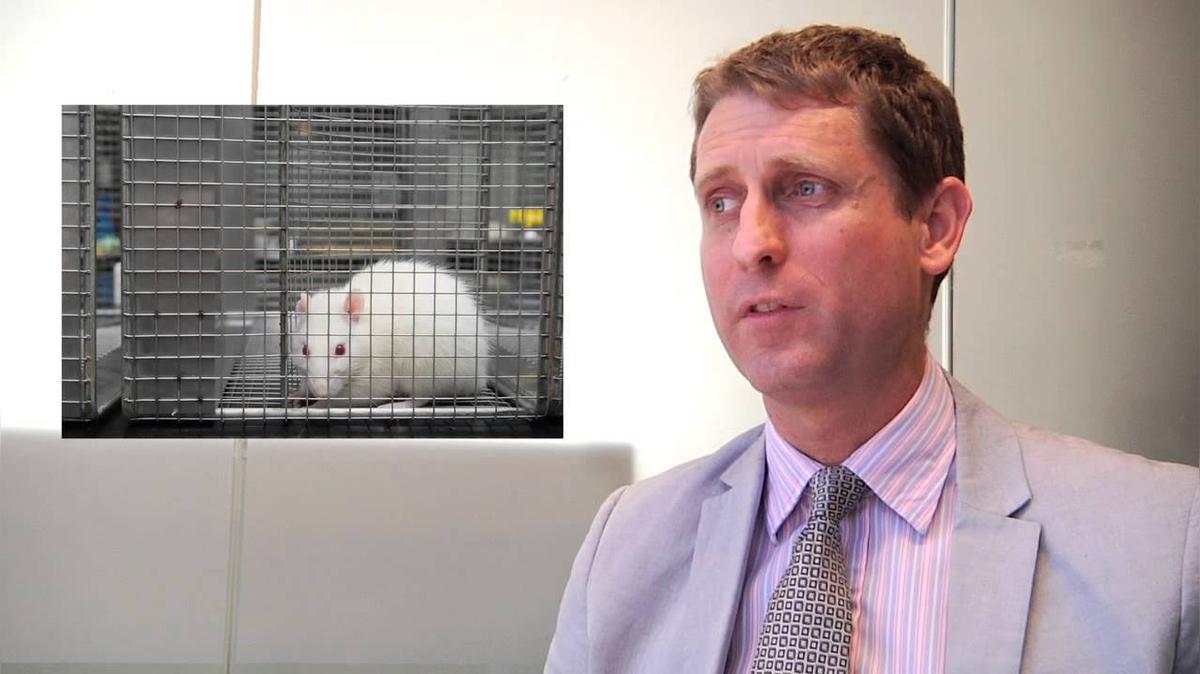
How widespread is the use of animals in research?
06:56

Andrew Knight discusses what options exist to replace animals in medical research.
03:47
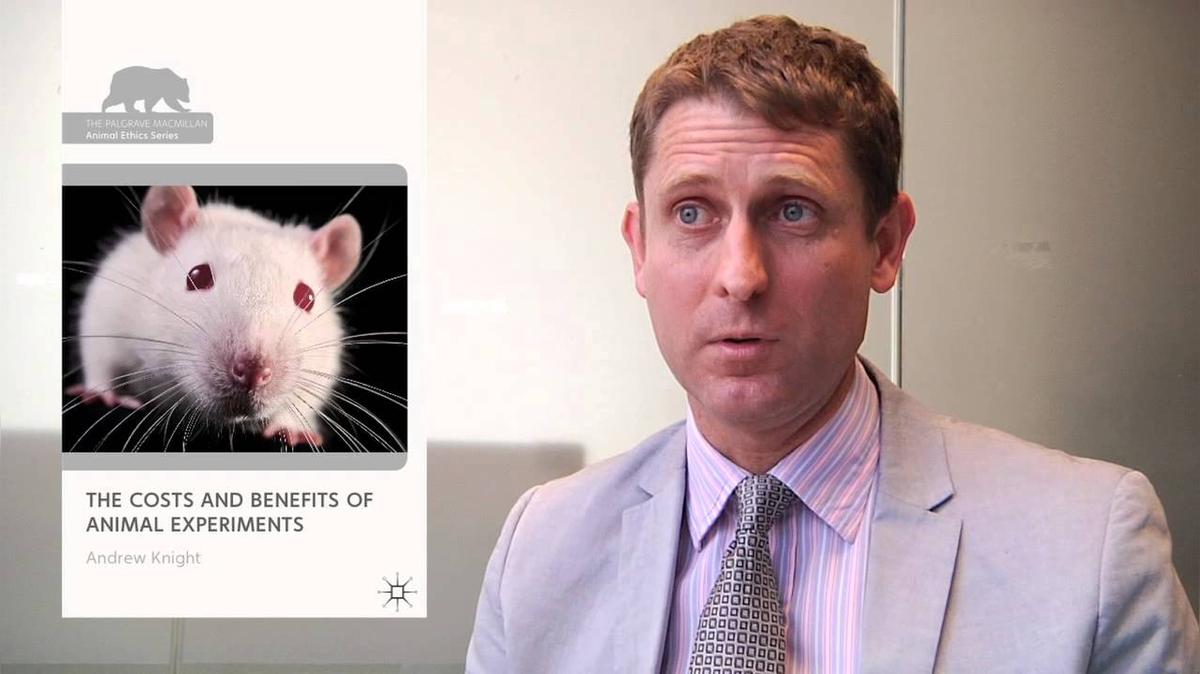
How can animal researchers and animal protectionists work together to effect positive change?
09:06

A video presentation I was asked to deliver for the Third European Conference for Critical Animal Studies: Technoscientific Developments and Critical Animal Studies. Karlsruhe Institute of Technology, Karlsruhe, Germany. 29 Nov. 2013.
16:29

Produced by Save Animals from Exploitation in New Zealand, as part of their outstanding educational resource booklet, 'Animals in Science: Ethical Arguments and Alternatives to Animal Experiments'. See alsohttps://www.scribd.com/document/157337230/SAFE-Education-Resource-Issue-4-Animals-in-Science and http://www.animalsandus.org.nz/.
09:56

Few ethical issues create as much controversy as invasive experiments on animals. Some scientists claim they are essential for combating major human diseases, or detecting human toxins. Others claim the contrary, backed by thousands of patients harmed by pharmaceuticals developed using animal tests. Some claim all experiments are conducted humanely, to high scientific standards. Yet, a wealth of studies have recently revealed that laboratory animals suffer significant stress, which may distort experimental results.
Where, then, does the truth lie? How useful are such experiments in advanc...
